Optimizing Hermetic Feedthrough for Harsh Environmental Applications
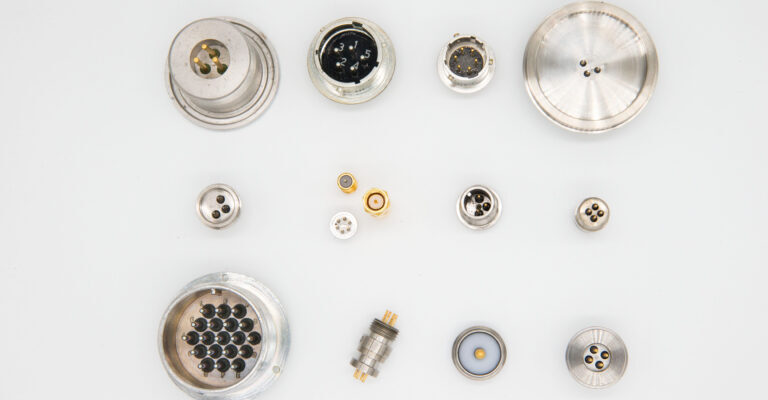
In the world of technology, where electronic components are constantly subjected to harsh environmental conditions, ensuring the reliability and performance of these components is crucial. Hermetic feedthroughs play a vital role in protecting sensitive electronic devices from factors such as moisture, dust, and high temperatures. Optimizing hermetic feedthroughs for harsh environmental applications is essential for ensuring the longevity and functionality of electronic equipment in extreme conditions.
What are Hermetic Feedthroughs?
Hermetic feedthroughs are specialized components that provide a seal between two environments with different pressures while allowing electrical or optical signals to pass through. These feedthroughs are commonly used in applications where a high level of isolation and protection is required, such as in medical devices, aerospace equipment, and industrial machinery.
Hermetic feedthroughs are designed to create a leak-tight seal that prevents the ingress of moisture, gases, or other contaminants into the sensitive electronics housed within a sealed enclosure. By maintaining a stable internal environment, hermetic feedthroughs help to protect electronic components from corrosion, oxidation, and other forms of degradation that can occur in harsh conditions.
Challenges in Harsh Environmental Applications
Optimizing hermetic feedthroughs for harsh environmental applications presents several challenges that must be addressed to ensure the reliability and performance of electronic systems. One of the key challenges is the need to maintain a hermetic seal while withstanding extreme temperature variations, mechanical stresses, and exposure to moisture or chemicals.
In environments where temperatures can fluctuate drastically or where vibrations and shocks are common, hermetic feedthroughs need to be designed to withstand these conditions without compromising the integrity of the seal. Additionally, exposure to moisture or corrosive substances can degrade the materials used in the feedthroughs, leading to seal failures and potential damage to the electronics.
Strategies for Optimizing Hermetic Feedthroughs
To optimize hermetic feedthroughs for harsh environmental applications, several strategies can be employed to enhance their performance and reliability. One approach is to use high-quality materials that are resistant to corrosion, oxidation, and other forms of degradation. Materials such as stainless steel, titanium, and ceramic are commonly used in hermetic feedthrough due to their durability and inertness.
Another strategy is to design the feedthroughs with robust sealing techniques that can withstand the stresses and strains imposed by harsh environmental conditions. Welding, brazing, and glass-to-metal sealing are common methods used to create a leak-tight seal that can withstand temperature cycling and mechanical shocks.
Furthermore, incorporating protective coatings or encapsulation methods can help to shield the feedthroughs from moisture, chemicals, and other contaminants that could compromise the seal. By adding an extra layer of protection, the longevity and reliability of the hermetic feedthroughs can be significantly enhanced.
Conclusion
Optimizing hermetic feedthroughs for harsh environmental applications is essential for ensuring the reliability and performance of electronic systems in extreme conditions. By using high-quality materials, robust sealing techniques, and protective coatings, hermetic feedthroughs can be designed to withstand temperature variations, mechanical stresses, and exposure to moisture or chemicals. Implementing these strategies will help to enhance the longevity and functionality of electronic devices operating in challenging environments.