Internal Linking SEO Techniques That Strengthen Website Authority
Internal Linking SEO Techniques That Strengthen Website Authority, In the complex architecture of modern websites, authority is not built randomly—it is carefully distributed and reinforced through structure. Internal Linking SEO plays a pivotal role in shaping how search engines understand relationships between pages within a domain. By strategically connecting content, Internal Linking SEO ensures that valuable pages receive the visibility and authority they deserve. It acts as a navigational framework, guiding both users and crawlers through a coherent web of interconnected information. When implemented correctly, Internal Linking SEO transforms a scattered collection of pages into a unified, high-performing digital ecosystem.
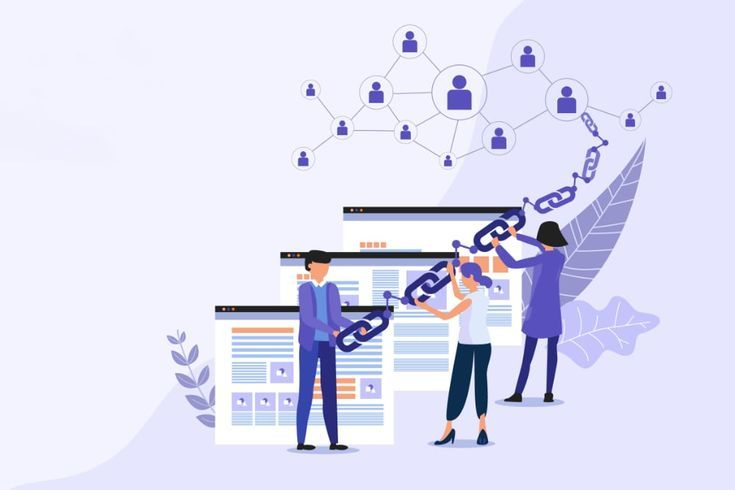
Strengthening Authority Signals with Internal Linking SEO
Authority in SEO is not only earned through backlinks from external sources but also cultivated internally. Internal Linking SEO strengthens this authority by distributing link equity across a website in a deliberate and strategic manner. By reinforcing Internal Linking SEO, marketers can ensure that high-value pages receive consistent support from related content. This creates a hierarchical structure where important pages are elevated, and contextual relationships between topics are clearly defined for both users and search engines.
Understanding the Role of Site Architecture
A well-organized site architecture is the backbone of effective internal linking. When pages are logically structured, search engines can crawl and index content more efficiently. Clear hierarchies help define which pages are most important and how they relate to one another. This structural clarity improves both discoverability and ranking potential. A fragmented architecture, on the other hand, can dilute authority and confuse search engine crawlers.
Distributing Link Equity Strategically
Link equity, often referred to as “link juice,” is the value passed from one page to another through hyperlinks. Strategic internal linking ensures that this value flows toward pages that matter most. High-authority pages should naturally support newer or less visible content. This redistribution strengthens weaker pages and enhances overall domain performance. A thoughtful approach to link equity creates a balanced and efficient SEO ecosystem.
Using Contextual Links for Maximum Relevance
Contextual links embedded within body content are among the most powerful internal linking techniques. These links provide both users and search engines with meaningful pathways to related information. When placed naturally within relevant content, they enhance topical depth and improve engagement. Contextual relevance ensures that links feel organic rather than forced, increasing their effectiveness and usability.
Creating Topic Clusters for Authority Building
Topic clusters are a modern SEO strategy that revolves around grouping related content under a central pillar page. Internal linking connects supporting articles to this pillar, reinforcing topical authority. This structure allows search engines to recognize the website as an expert source on specific subjects. Over time, topic clusters significantly improve rankings and strengthen overall site credibility.
Enhancing Crawl Efficiency for Search Engines
Search engines rely on links to discover and index content. A strong internal linking structure improves crawl efficiency by ensuring that no important page is isolated. Deep pages that lack internal links often become “orphaned,” making them difficult for search engines to find. By maintaining a well-connected structure, websites ensure that all valuable content remains accessible and indexable.
Improving User Navigation and Experience
Internal linking is not only for search engines—it also enhances user experience. Thoughtful links guide visitors to related content, encouraging deeper engagement and longer session durations. When users can easily explore relevant topics, they are more likely to stay on the site. This improved engagement sends positive behavioral signals that contribute to better rankings.
Anchor Text Optimization for Context Clarity
Anchor text plays a crucial role in internal linking effectiveness. Descriptive and relevant anchor text helps search engines understand the context of linked pages. Generic phrases like “click here” provide little value, while keyword-rich and natural anchors enhance relevance. However, over-optimization should be avoided to maintain a natural reading experience.
Avoiding Over-Internal Linking Pitfalls
While internal linking is powerful, excessive linking can dilute its effectiveness. Overloading a page with too many links may confuse users and reduce the value passed to each destination page. A balanced approach ensures that links remain meaningful and purposeful. Quality always outweighs quantity in effective SEO practices.
Strengthening Old Content with New Links
Updating older content with new internal links is a highly effective optimization technique. As new pages are published, linking back to older relevant content revitalizes their visibility. This process helps maintain freshness and ensures that older pages continue to contribute to overall site authority. It also strengthens content interconnectivity across the entire website.
Leveraging Navigation Menus and Footers
Navigation menus and footers serve as foundational internal linking structures. These elements provide consistent pathways to key pages across the entire website. While not as context-rich as in-content links, they play an important role in ensuring accessibility. Strategic placement of important pages in these areas reinforces their significance.
Identifying and Fixing Orphan Pages
Orphan pages are those that lack internal links pointing to them, making them difficult for search engines to discover. Identifying and fixing these pages is essential for maintaining a healthy site structure. By integrating orphan pages into the internal linking network, their visibility and performance can be significantly improved.
Using Internal Links to Support Conversion Paths
Internal linking can also guide users through conversion funnels. By linking informational content to transactional pages, websites can gently guide users toward desired actions. This creates a seamless journey from awareness to conversion. Thoughtful linking enhances both SEO performance and business outcomes.
Monitoring Internal Link Performance
Regular audits of internal links help ensure optimal performance. Analyzing metrics such as click-through rates and page engagement reveals which links are most effective. This data-driven approach allows continuous refinement of linking strategies. Over time, optimization leads to a more efficient and impactful structure.
Aligning Internal Links with Content Strategy
Internal linking should always align with broader content strategy. Each link should serve a purpose, whether it is improving navigation, distributing authority, or supporting keyword relevance. When integrated with content planning, internal linking becomes a powerful structural asset rather than an afterthought.
Conclusion
Internal linking is one of the most underrated yet powerful components of SEO. When executed strategically, Internal Linking SEO transforms website structure, enhances authority, and improves both user experience and search engine visibility. By focusing on relevance, balance, and thoughtful connectivity, websites can build a strong internal ecosystem that supports long-term growth and sustainable rankings.